Healthcare marketing has shifted dramatically over the past few years. For decades, digital growth strategies for medical practices centered almost entirely on traditional search engine optimization. Healthcare organizations invested heavily in ranking higher in Google search results to attract patients looking for care.
The strategy was straightforward. Identify the terms patients search for, build pages around those keywords, and create content that search engines can easily index and rank. When a practice appeared near the top of search results, it generated website visits, appointment requests, and new patient inquiries.
Artificial intelligence is reshaping how people search for healthcare information and how platforms deliver answers. Patients increasingly ask full questions rather than enter simple keywords. AI systems analyze information across the internet and generate direct responses to those questions.
Ranking in traditional search results still matters. Yet visibility inside AI-generated answers is becoming just as valuable. Healthcare organizations that adapt their strategy now will gain an advantage as search continues to evolve.
This is where Answer Engine Optimization (AEO) and Generative Engine Optimization (GEO) enter the conversation. Forward-thinking healthcare marketing teams are expanding their strategies to include these approaches. Instead of replacing traditional SEO, these strategies build on top of it.
The Traditional Search Model That Shaped Healthcare Marketing

For years, healthcare search marketing followed a familiar pattern.
A patient searched for a phrase such as:
- dermatologist near me
- physical therapy for back pain
- treatment for sleep apnea
Search engines returned a list of websites ranked by relevance and authority. Patients clicked through those sites to compare providers, read educational content, and schedule appointments.
Healthcare organizations optimized their websites to appear as high as possible in those rankings.
Core Elements of Traditional Healthcare SEO
Most healthcare SEO strategies focus on several foundational elements.
Keyword research based on patient search behavior
- Identifying phrases patients use when searching for symptoms, treatments, and providers
- Targeting service-based searches such as “cardiologist in Phoenix”
- Building pages around treatment and condition keywords
Optimized page titles and meta descriptions
- Titles containing primary keywords
- Meta descriptions encourage users to click through search results
Structured page headings
- Organized content that clearly explains medical topics
- Headings that help search engines understand page structure
Educational blog content
- Articles addressing common patient questions
- Long-form guides explaining medical conditions and treatments
Local SEO and directory listings
- Google Business Profiles
- Medical directories and review platforms
- Consistent name, address, and phone number information
Backlinks from trusted sources
- Links from medical publications, news outlets, and industry organizations
- Signals that strengthen credibility and authority
This system produced reliable results. Healthcare organizations that invested in SEO often built steady streams of patient inquiries from search.
Yet the search landscape is evolving.
The Rise of AI-Driven Healthcare Search

Search engines are gradually transforming from link directories into answer engines.
Instead of returning a list of websites, AI systems analyze information from multiple sources and generate summarized responses to questions.
For example, a patient may ask:
“What are the symptoms of sleep apnea?”
Rather than opening several medical websites, the user may receive a detailed AI-generated overview describing:
- common symptoms
- risk factors
- treatment options
- when to seek medical care
Sources may be cited, yet the user often receives the core information instantly.
AI Platforms Changing Healthcare Search
Several major platforms now provide AI-generated answers.
These include:
- ChatGPT
- Google AI Overviews
- Microsoft Copilot
- Perplexity AI
- Google Gemini
- Voice assistants and smart devices
These tools are changing how patients discover healthcare providers and medical information.
Instead of browsing several websites, users often rely on a single AI-generated response. That response may influence their understanding of a condition, a treatment option, or even which medical provider they trust.
For healthcare organizations, this means visibility inside AI responses is becoming just as important as ranking in traditional search results.
Zero-Click Searches Are Changing Patient Behavior
Another major trend affecting healthcare marketing is the growth of zero-click searches.
A zero-click search occurs when users receive the information they need directly on the search results page without visiting any website.
Examples include:
- AI summaries
- featured snippets
- knowledge panels
- voice assistant responses
These experiences are becoming more common.
A patient searching for information about a medical condition may receive a complete explanation without clicking on any website. While this improves convenience for users, it changes how healthcare practices attract patients online.
Instead of relying solely on website traffic, organizations must also consider how their expertise appears inside AI-generated responses.
The key question becomes:
Is your healthcare organization recognized as a trusted source of medical information online?
Why Traditional On-Page SEO Alone Is No Longer Enough
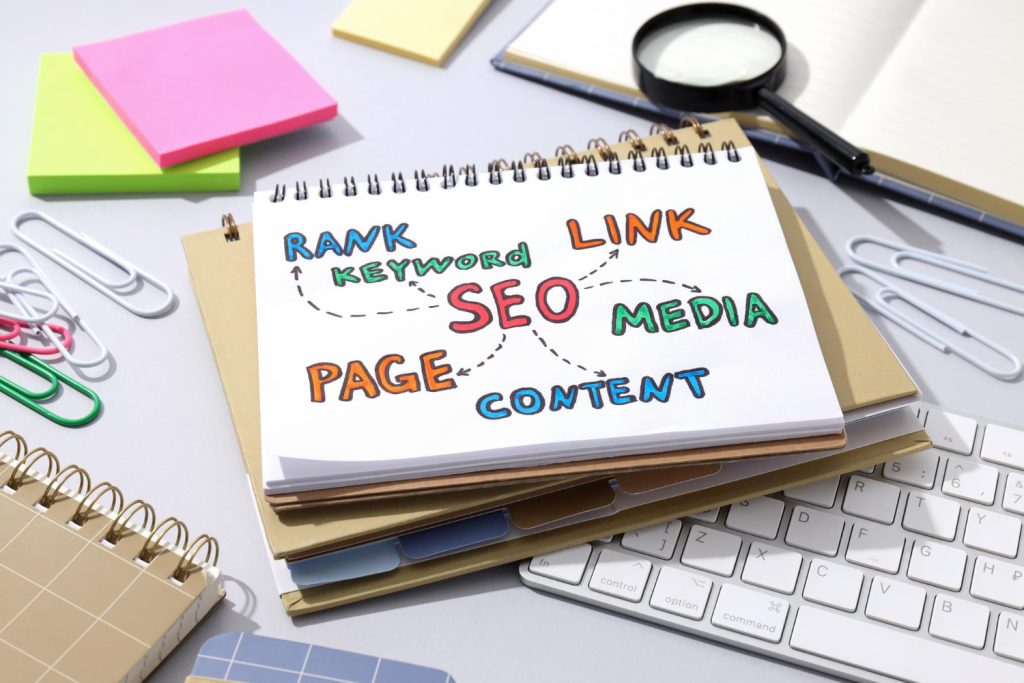
On-page SEO remains one of the most important parts of digital marketing. It focuses on optimizing elements within a webpage so search engines can understand and rank the content.
Traditional on-page optimization typically includes:
- keyword placement
- page titles
- meta descriptions
- structured headings
- internal links
- image alt text
- mobile optimization
- page speed
These factors still matter. Both search engines and AI systems rely on structured content to interpret information. Yet these elements alone no longer guarantee strong visibility.
Why Search Optimization Is Evolving
There are several reasons behind this shift.
- AI systems analyze content differently
- AI models evaluate context, credibility, and subject expertise rather than relying heavily on keyword repetition.
- AI answers appear above traditional search results
- Even top-ranking websites may receive fewer clicks when an AI summary answers the question immediately.
- Search platforms prioritize trusted knowledge sources
- Healthcare search now emphasizes credibility, experience, and professional expertise.
This means the goal of healthcare marketing is evolving. Instead of only optimizing for keywords, organizations must establish themselves as credible sources of healthcare knowledge.
Why Traditional SEO Still Matters for Healthcare
Although search is evolving, traditional SEO remains the foundation of digital visibility. Search engines and AI models both rely on the same core infrastructure to crawl and interpret websites. Without strong SEO fundamentals, healthcare organizations are far less likely to appear in search results or AI-generated answers.
Technical SEO
Technical SEO ensures that search engines can access and understand your website.
Important factors include:
- fast page loading speeds
- mobile-friendly design
- secure HTTPS connections
- structured data markup
- XML sitemaps
Without these elements, search engines may struggle to properly index content.
Content Structure
Clear organization helps both search engines and AI systems interpret information.
Well-structured healthcare content typically includes:
- logical heading structures
- clear definitions of medical terms
- patient-focused explanations
- internal links connecting related topics
This structure helps machines interpret meaning and context.
Authority Signals
Healthcare is a trust-driven industry. Search engines evaluate credibility through signals that indicate professional expertise.
These signals may include:
- mentions in medical publications
- links from trusted healthcare organizations
- consistent directory listings
- media coverage and interviews
- physician thought leadership
Healthcare organizations that build authority across multiple platforms are more likely to appear in AI-generated answers.
What Is Answer Engine Optimization (AEO)?
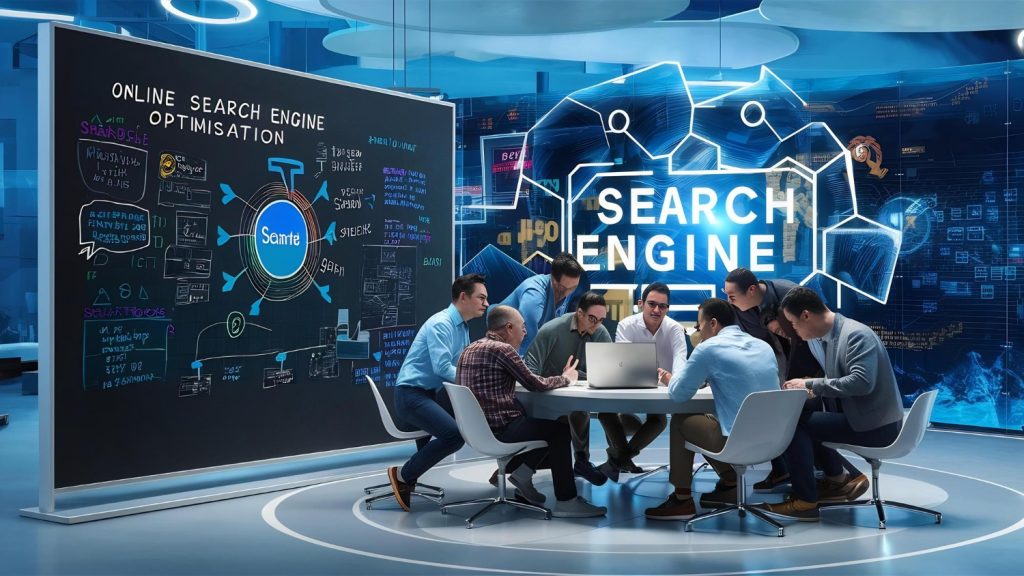
Answer Engine Optimization (AEO) focuses on structuring content so AI systems can easily extract clear responses to questions.
The objective is simple.
Become the source AI platform’s reference when answering patient questions.
Healthcare content designed for AEO often includes:
- question-based headings
- concise definitions of medical concepts
- step-by-step explanations of treatments
- organized lists and summaries
Example of AEO Content Structure
A page may include sections such as:
What Is Sleep Apnea?
Followed by a clear explanation of the condition.
What Are the Symptoms of Sleep Apnea?
Followed by a structured list of symptoms.
This format helps AI systems identify and extract answers more easily.
AEO is especially valuable in healthcare since patients frequently search for information about symptoms, procedures, and treatment options.
Practices that provide well-organized educational content are more likely to be referenced in AI responses.
What Is Generative Engine Optimization (GEO)?
Generative Engine Optimization (GEO) extends beyond individual web pages. It focuses on strengthening a healthcare brand’s online reputation.
AI systems analyze patterns across many sources when generating answers.
If a healthcare organization appears consistently across credible platforms, AI models begin associating that brand with expertise.
Key GEO Strategies for Healthcare Organizations
Generative visibility grows when healthcare brands invest in:
- authoritative educational content
- presence in trusted healthcare directories
- media coverage and public relations
- physician thought leadership
- strong brand recognition across platforms
The goal is to become part of the knowledge ecosystem that AI systems use to generate answers.
Over time, this increases the likelihood that a healthcare brand will be cited or referenced in AI-generated responses.
How Modern Healthcare Marketing Teams Are Adapting
Healthcare organizations that recognize these changes are adjusting their marketing strategies. Rather than abandoning SEO, they are creating layered strategies that combine traditional search optimization with AI-focused approaches.
Building Comprehensive Educational Content
Leading healthcare organizations build topic authority by publishing extensive educational content.
Instead of writing a single article about a medical condition, they create full knowledge libraries covering:
- symptoms
- diagnosis
- treatment options
- recovery
- prevention
This signals deeper expertise to both search engines and AI platforms.
Creating AI-Friendly Content Structure
Content is written in formats that AI systems can easily interpret.
This includes:
- clear headings
- concise answers to common questions
- structured explanations
- organized lists and summaries
This structure helps machines extract relevant information.
Strengthening Brand Authority
Healthcare organizations strengthen credibility through:
- media outreach
- public relations campaigns
- physician interviews
- speaking engagements
- community education initiatives
These activities reinforce expertise and brand recognition.
Expanding Digital Patient Communication
Modern healthcare marketing extends beyond search visibility.
Patient engagement now includes multiple communication channels, such as:
- email communication
- text messaging reminders
- social media education
- patient outreach campaigns
These systems help practices maintain relationships between visits and strengthen long-term patient loyalty.
New Metrics for Measuring Healthcare Search Visibility
As search evolves, digital marketing performance is measured in new ways.
Traditional metrics still matter:
- search rankings
- website traffic
- backlink growth
Yet new indicators are emerging.
Emerging Visibility Metrics
Healthcare organizations increasingly evaluate:
- AI citation frequency
- brand mentions in AI responses
- visibility across multiple AI platforms
- topical authority in medical specialties
These signals measure influence within the AI knowledge ecosystem.
The Future of Healthcare Search
Search marketing is entering a new phase.
The first era focused heavily on keyword rankings.
The second emphasized content marketing and backlinks.
The next phase will focus on credibility, authority, and recognition of knowledge.
Future search experiences will likely include:
- AI-generated answers appearing before search results
- conversational search queries
- stronger reliance on trusted medical sources
- healthcare brands competing for AI citations
Healthcare organizations that adapt early will gain a strong competitive advantage.
How iLoyal Medical Helps Healthcare Organizations Compete in Modern Search
iLoyal Medical helps healthcare organizations strengthen digital visibility, patient engagement, and long-term loyalty. Their platform combines marketing strategy, communication tools, and technology designed specifically for medical practices.
Healthcare Marketing Services Offered by iLoyal Medical
Healthcare organizations benefit from services such as:
- healthcare SEO and directory optimization
- digital advertising and social media campaigns
- HIPAA-compliant email and SMS communication
- public relations and reputation management
- branded content and media production
- payment and communication systems that improve patient experience
This integrated approach allows healthcare providers to attract new patients, strengthen relationships, and maintain consistent communication throughout the patient journey.
Conclusion
Search behavior is evolving quickly. Artificial intelligence is changing how patients discover healthcare information and choose medical providers. Traditional SEO remains important, yet it is no longer the only factor influencing digital visibility.
The future of healthcare marketing relies on a combination of strategies:
- SEO for technical structure and indexing
- AEO for clear, answer-focused content
- GEO for brand authority and credibility
Healthcare organizations that adopt these strategies today will be better positioned to attract patients, build trust, and maintain visibility as search continues to evolve. iLoyal Medical helps healthcare practices navigate this transition by combining advanced marketing technology, communication tools, and strategic expertise tailored to the healthcare industry.
Let’s Chat!
Tell us what you want to accomplish with your marketing and we’ll connect you with the apps and team that fit you like a glove – even if it’s not iLoyal! Stop spending time searching and let experts guide you toward a marketing tech solution and great service experience.
Call 1-877-347-3376